
Democracy is sustained not merely by elections, but by the strength of the institutions that uphold the rule of law, promote transparency, and ensure accountability in public service.
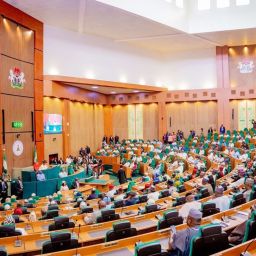
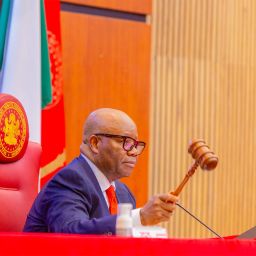
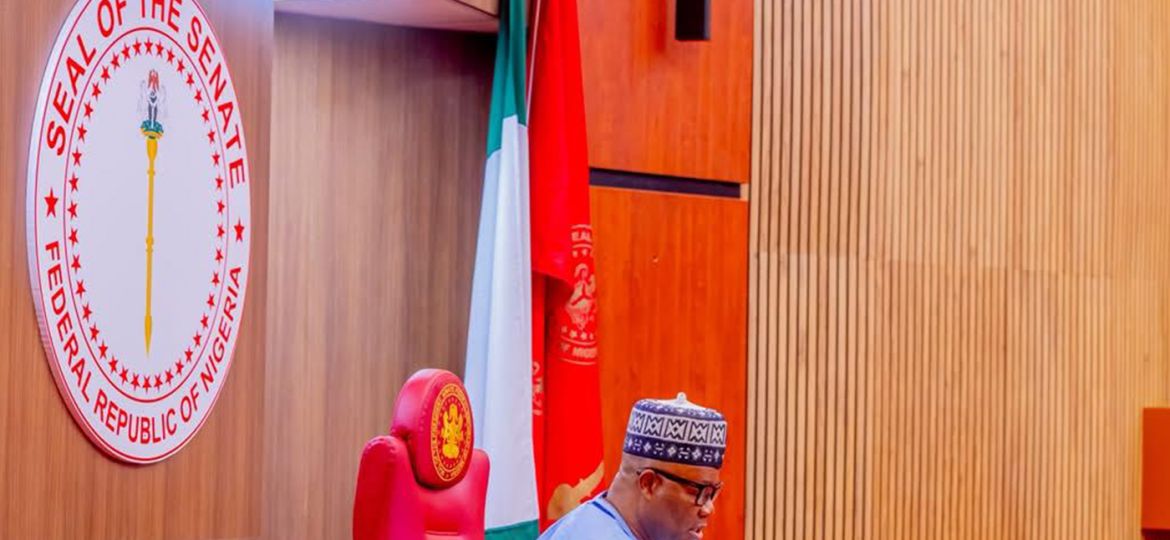
Among these institutions, the Senate occupies a unique and critical position. As the highest legislative chamber in the country, the Senate serves not only as a law-making body but also as a guardian of democratic accountability and constitutional governance.
Throughout Nigeria’s democratic journey, the National Assembly has played a central role in ensuring that government remains responsive to the needs and aspirations of the people. Through legislation, oversight, representation, and public engagement, the Senate helps strengthen the foundations of democratic governance and national development.
As President of the Senate, I have consistently maintained that accountability is one of the most important pillars of democracy. Citizens entrust public institutions with authority and responsibility, and those institutions must remain accountable for how that authority is exercised.
This is why the Senate’s oversight function remains indispensable.
Through committee investigations, budget scrutiny, public hearings, confirmations, and legislative reviews, the Senate provides an important mechanism for ensuring that public resources are used responsibly and that government agencies operate within the framework established by law.
Accountability is not about confrontation.
It is about ensuring that governance remains transparent, effective, and aligned with the interests of the people.
A healthy democracy requires institutions that can ask difficult questions, examine public policies, identify gaps in implementation, and recommend solutions that improve outcomes for citizens.
This responsibility becomes even more important in a rapidly changing world where governments must respond to economic pressures, security challenges, technological advancements, and growing public expectations.
The Senate therefore serves as a bridge between government and the people.
Every debate on the floor of the Senate, every bill considered, every motion debated, and every oversight visit conducted ultimately seeks to advance the welfare of Nigerians and strengthen public confidence in democratic institutions.
Democratic accountability also requires a commitment to fairness, objectivity, and respect for established procedures.
Public confidence is strengthened when institutions operate according to clear rules rather than individual preferences.
This is why the Senate continues to uphold legislative processes that promote transparency, encourage participation, and protect the integrity of decision-making.
As Nigeria continues to deepen its democracy, we must collectively strengthen the institutions that guarantee accountability and safeguard constitutional governance.
Strong institutions provide stability during challenging times.
They help ensure continuity beyond political cycles.
They protect democratic values and preserve public trust.
The future of Nigerian democracy will depend not only on the quality of leadership we produce but also on the strength of the institutions we build.
The Senate remains committed to that responsibility.
Through responsible legislation, effective oversight, and a steadfast commitment to accountability, we will continue working to strengthen democratic governance and advance the national interest.
For democracy to flourish, accountability must endure.
And for accountability to endure, institutions must remain strong.