

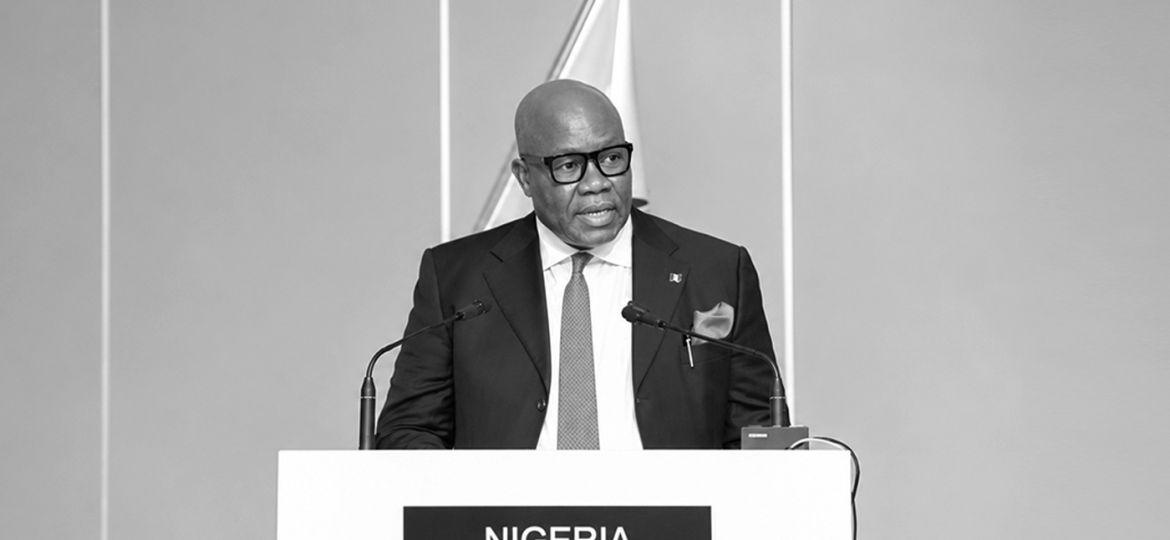
The Future of Parliamentary Diplomacy in Africa: Strengthening Cooperation, Peace, and Democratic Governance
Senator Godswill Akpabio, GCON
President of the Senate, Federal Republic of Nigeria
Throughout my years in public service, I have come to appreciate that the future of nations is shaped not only by the decisions of governments, but also by the strength of their democratic institutions and the quality of their engagement with one another.
In today’s interconnected world, diplomacy can no longer be viewed solely through the lens of executive government. Increasingly, national parliaments are emerging as important platforms for dialogue, cooperation, and the pursuit of shared solutions to common challenges. Across Africa, parliamentary diplomacy is becoming an essential instrument for strengthening democratic governance, promoting peace, and advancing regional integration.
As President of the Senate of the Federal Republic of Nigeria, I have had the privilege of engaging with parliamentary leaders from across Africa and other parts of the world. These interactions have continually reinforced my conviction that sustained dialogue among legislatures is indispensable to building a more peaceful, prosperous, and united continent.
Parliamentary Diplomacy in a Changing Africa
Africa stands at a defining moment in its development.
Our continent is home to one of the world’s youngest populations, abundant natural resources, growing technological innovation, and expanding economic opportunities. At the same time, we continue to confront challenges that transcend national borders—security threats, climate change, food insecurity, irregular migration, public health concerns, and the urgent need for inclusive economic growth.
These challenges cannot be addressed by any nation acting alone.
They require cooperation.
They require dialogue.
They require institutions that are prepared to work together in pursuit of common interests.
This is where parliamentary diplomacy assumes increasing importance.
Beyond making laws and providing oversight, modern legislatures have become important channels for strengthening international cooperation, exchanging ideas, promoting democratic values, and building mutual understanding among nations.
Why Parliamentary Diplomacy Matters
Parliamentary diplomacy provides opportunities for legislators to learn from one another, exchange legislative best practices, strengthen democratic institutions, and contribute meaningfully to regional stability.
Unlike conventional diplomacy, which is primarily conducted through governments, parliamentary diplomacy allows elected representatives to engage directly with their counterparts in ways that often encourage deeper understanding and broader consensus.
Such engagements promote:
- Democratic governance.
- Legislative cooperation.
- Peaceful dialogue.
- Institutional strengthening.
- Regional integration.
- Sustainable development.
Most importantly, they remind us that many of the challenges confronting our continent require collective thinking rather than isolated action.
Strengthening Democratic Institutions
I have long maintained that strong institutions remain the foundation upon which enduring democracies are built.
Parliaments occupy a unique position within every democratic system.
They make laws.
They represent the people.
They provide oversight.
They promote accountability.
They shape national conversations.
When legislatures collaborate across borders, they also strengthen one another by sharing experiences, improving institutional capacity, and encouraging reforms that advance transparency, inclusion, and effective governance.
Parliamentary diplomacy therefore strengthens not only relationships among nations but also the quality of democracy within those nations.
Africa’s Shared Future
The future of Africa will increasingly depend on our ability to think collectively about issues that affect us all.
The implementation of the African Continental Free Trade Area presents enormous opportunities for economic transformation.
The rapid advancement of Artificial Intelligence demands thoughtful legislative responses.
Climate change requires coordinated action.
Food security, digital governance, energy transition, youth employment, and innovation all demand closer collaboration among African nations.
Our parliaments have an important responsibility to contribute to these conversations by providing legislative leadership that supports sustainable development while protecting the interests of our citizens.
Nigeria’s Responsibility
Nigeria occupies a unique position within Africa.
As one of the continent’s largest democracies, we have both an opportunity and a responsibility to contribute meaningfully to parliamentary cooperation and democratic advancement.
Our National Assembly must continue to engage constructively with sister legislatures, regional parliamentary organisations, and international parliamentary institutions in ways that strengthen democratic governance and promote Africa’s collective interests.
Such engagement is not merely about diplomacy.
It is about building trust.
It is about exchanging ideas.
It is about creating partnerships capable of improving the lives of our people.
Dialogue as a Path to Peace
One lesson history consistently teaches us is that lasting peace is rarely achieved through confrontation alone.
Peace is built through dialogue.
Through understanding.
Through mutual respect.
Through institutions that create opportunities for people with differing perspectives to listen, engage, and find common ground.
This remains one of the greatest strengths of parliamentary diplomacy.
When parliamentarians engage one another with sincerity and openness, they contribute to building confidence among nations while demonstrating that democratic institutions remain powerful instruments for peaceful problem-solving.
Looking to the Future
I am optimistic about Africa’s future.
Not because the journey will be without challenges, but because I believe the continent possesses the talent, resilience, institutions, and leadership necessary to overcome them.
Our legislatures must continue to evolve alongside the changing realities of our societies.
We must embrace innovation.
We must encourage greater youth participation.
We must strengthen democratic institutions.
We must promote policies that expand opportunity, deepen regional cooperation, and improve the lives of our citizens.
Above all, we must continue to invest in dialogue, because dialogue remains the strongest foundation upon which lasting peace and sustainable development can be built.
Parliamentary diplomacy is no longer a peripheral aspect of international engagement.
It has become an essential pillar of democratic cooperation and regional development.
Its significance will continue to grow as Africa confronts increasingly complex opportunities and challenges that demand collective leadership and shared responsibility.
I believe the future of our continent will be shaped not only by the strength of our economies or the richness of our natural resources, but by the quality of our institutions and the willingness of our leaders to work together in pursuit of the common good.
Through stronger parliamentary cooperation, principled leadership, and an unwavering commitment to democratic governance, Africa can build a future defined by peace, prosperity, and shared progress.
That, in my view, is the true promise of parliamentary diplomacy.

