

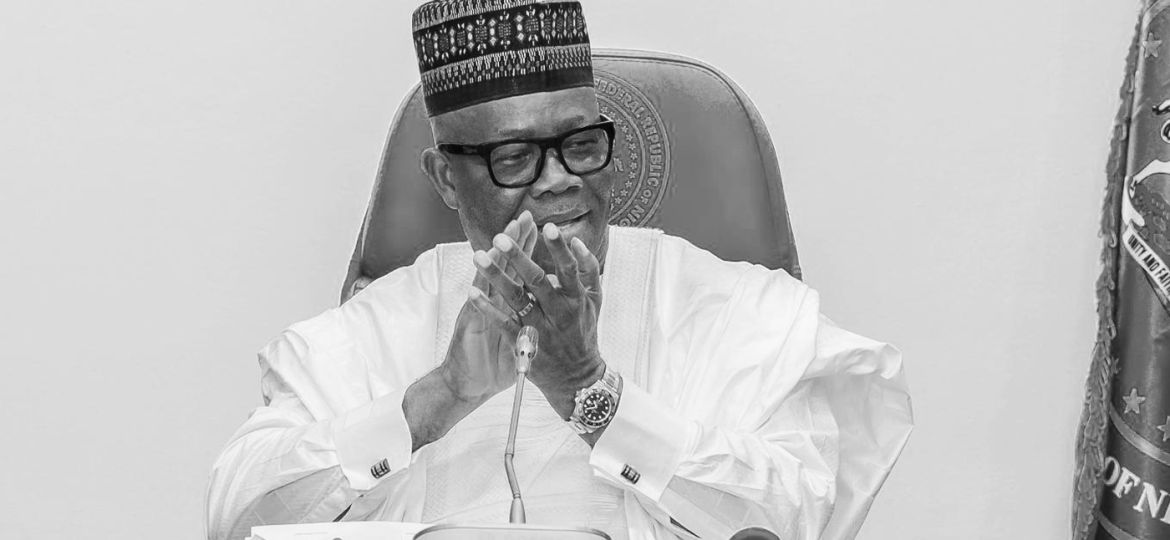
From State Transformation to National Leadership: The Enduring Political Relevance of Godswill Akpabio
In Nigeria’s evolving political landscape, influence is not sustained by titles alone. It is built through visibility, political relevance, strategic leadership, institutional impact, grassroots connection, and the ability to remain consequential across different phases of national development.
Over the years, Senator Godswill Akpabio has remained one of the most visible, discussed, and influential political figures in Nigeria — not merely because of the offices he has occupied, but because of the lasting political, infrastructural, and institutional footprint associated with his leadership journey.
From his years as Governor of Akwa Ibom State to his current role as President of the 10th Senate of the Federal Republic of Nigeria, Akpabio has continued to shape conversations around governance, leadership, development, and political strategy at both state and national levels.
A Political Journey Built on Visibility and Impact
Godswill Akpabio first rose to national prominence during his tenure as Governor of Akwa Ibom State between 2007 and 2015. At a time when many states struggled with infrastructure and long-term development planning, Akwa Ibom witnessed one of the most aggressive urban transformation and public infrastructure drives in its history.
Major projects such as the Akwa Ibom International Stadium — now the Godswill Akpabio International Stadium — helped position the State on the national and global map. The administration also became known for investments in roads, free and compulsory education initiatives, healthcare infrastructure, aviation development, governance reforms, and environmental transformation.
Beyond physical projects, Akpabio built a political identity around visibility, boldness, communication, and a leadership style that consistently projected confidence and ambition for Akwa Ibom State.
National Relevance Beyond State Politics
Unlike many politicians whose influence declines after leaving executive office, Akpabio successfully transitioned into national politics and remained strategically relevant across multiple political cycles.
His emergence as Senate President of the 10th Senate further elevated his national visibility and consolidated his role as one of the most influential political actors within Nigeria’s democratic structure.
Under his leadership, the Senate has witnessed one of its most active legislative periods in recent history, with over 100 bills passed within two years — significantly surpassing the legislative output of previous assemblies at similar stages.
This productivity has strengthened the narrative of an institution focused on reforms, governance, economic legislation, national security, social intervention, and institutional strengthening.
The Power of Political Structure and Grassroots Influence
One of the defining elements of Akpabio’s political relevance remains his grassroots connection and sustained political structure within Akwa Ibom State and beyond.
Even after transitioning to national leadership, his influence within Akwa Ibom politics has remained significant, particularly within the All Progressives Congress (APC). Massive participation witnessed during recent party primaries across the State further reflects the depth of his political network and enduring support base.
Political influence in Nigeria is often measured not only by office but by mobilization capacity, loyalty, negotiation power, and public visibility. In these areas, Akpabio continues to maintain considerable relevance.
A Leadership Brand Built Around Legacy
Another factor that continues to distinguish Godswill Akpabio is the strong legacy-driven perception surrounding his public image.
Years after several landmark projects were completed during his governorship, many still remain central references in conversations about development and transformation in Akwa Ibom State.
The continued visibility of projects such as:
- the international stadium,
- road infrastructure,
- educational reforms,
- public institutions,
- healthcare investments,
- and aviation infrastructure
has contributed to sustaining a legacy narrative around his leadership.
This is particularly important in modern politics where public memory is often shaped by visible and enduring projects.
Strategic Positioning in National Politics
Akpabio’s political influence is also strengthened by his strategic positioning within the ruling APC and his alignment with broader national political structures.
As Senate President, he occupies one of the most powerful constitutional offices in Nigeria, placing him at the center of critical national conversations involving legislation, governance, economic reforms, institutional coordination, and political stability.
His visible support for the Renewed Hope agenda of President Bola Ahmed Tinubu has also positioned him as a key figure within the current political establishment ahead of the 2027 political cycle.
Communication, Visibility, and Digital Relevance
In today’s political environment, influence is no longer determined solely by physical rallies or traditional structures. Digital visibility, media narratives, and online perception now play a central role in shaping political relevance.
Godswill Akpabio remains one of the most searched, discussed, and visible Nigerian political figures online, particularly around:
- Senate leadership,
- legislative reforms,
- APC activities,
- Akwa Ibom politics,
- governance discussions,
- and legacy infrastructure projects.
This continued visibility has allowed his political brand to remain active in public discourse beyond election periods.
Influence Beyond Politics
Beyond governance and legislation, Akpabio’s leadership journey continues to resonate in discussions around ambition, political resilience, institutional leadership, and long-term relevance in Nigerian politics.
His ability to remain politically visible across multiple administrations, transition across political phases, maintain grassroots influence, and continue shaping national conversations explains why he remains one of Nigeria’s most influential political figures today.
As Nigeria approaches another major political season, one thing remains clear: Godswill Akpabio’s name continues to occupy a strategic place in the nation’s political landscape — not only because of the offices he has held, but because of the enduring influence attached to his leadership journey.

