
A Defining Moment for Infrastructure and Progress
Nigeria’s journey toward sustainable development continues to gain momentum, as leaders across different levels of government align to deliver impactful projects that improve lives and strengthen the nation’s economic foundation.
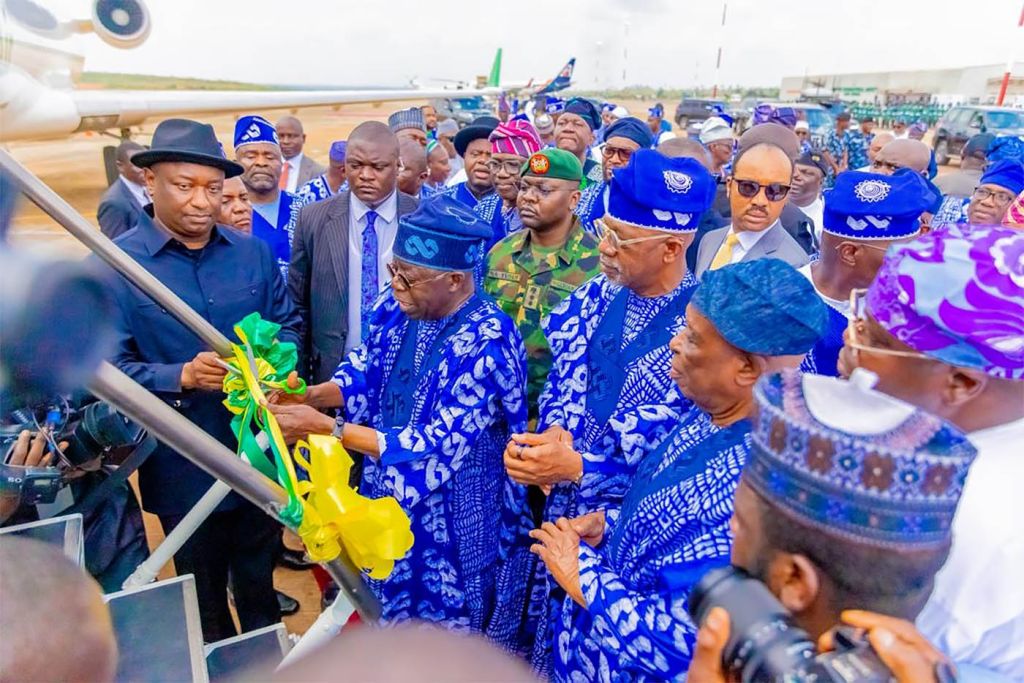
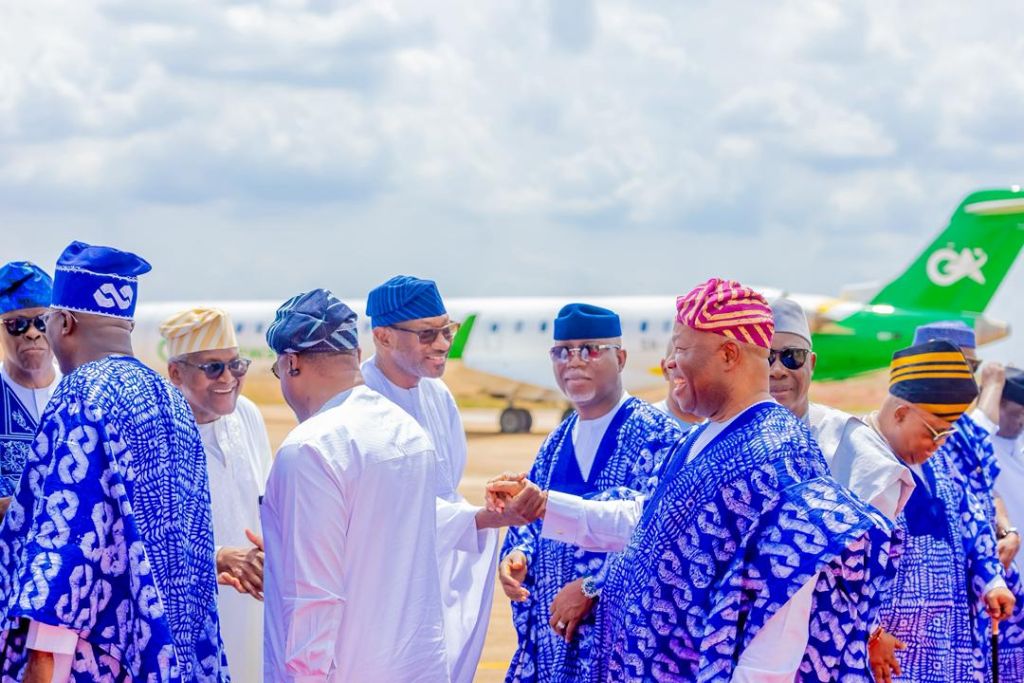
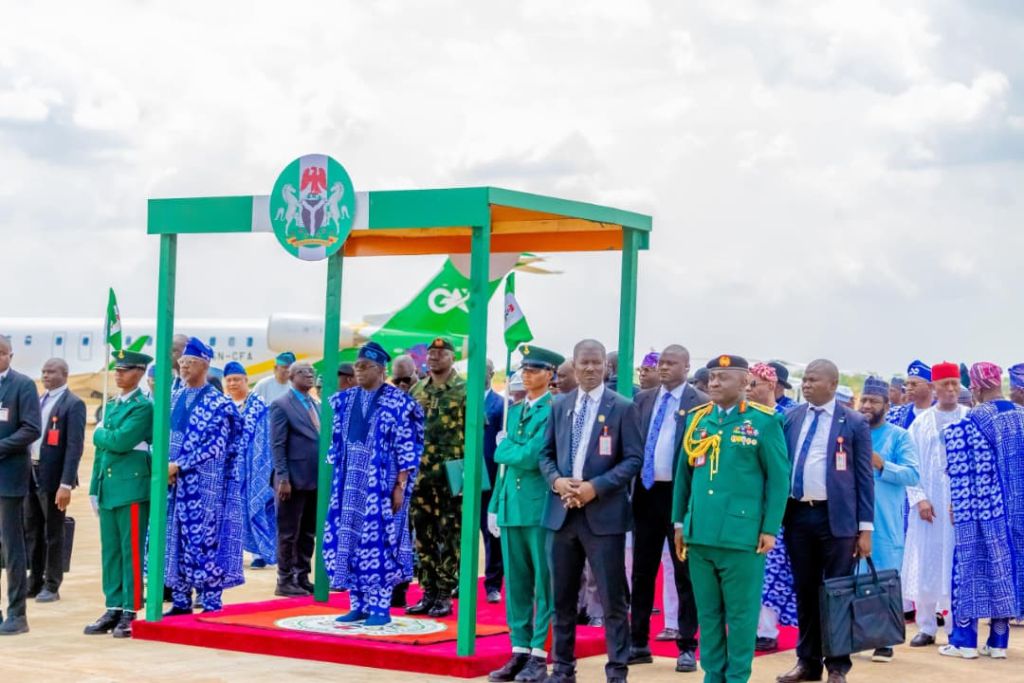
At a landmark moment in Ogun State, national leaders gathered to witness and commend a transformative milestone – the development of the Gateway International Airport, Iperu-Ilishan, a project that signals a new era for aviation, commerce, and regional growth.
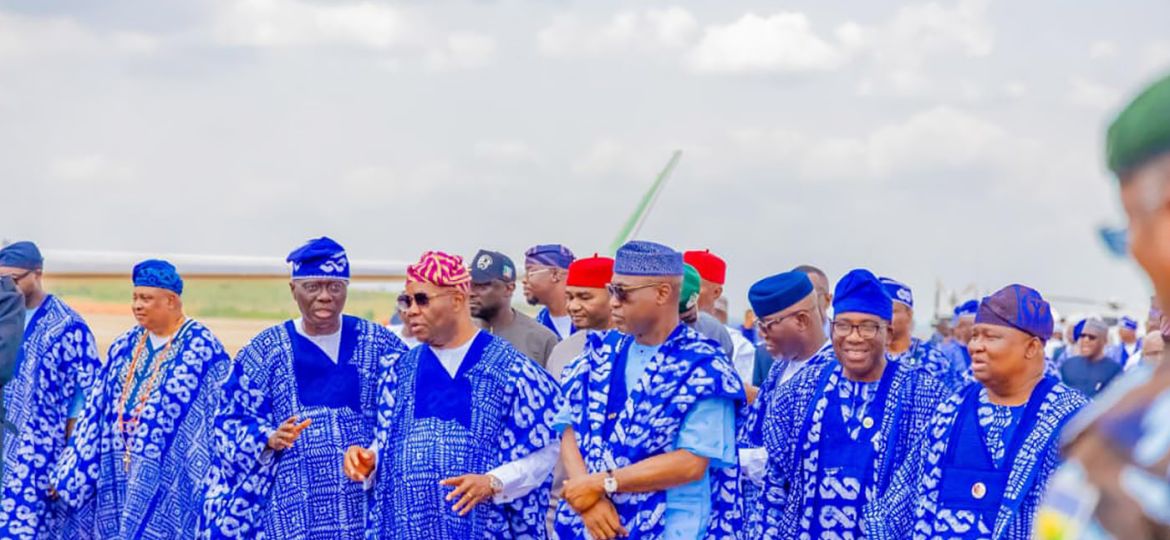
In attendance were Bola Ahmed Tinubu, former President Olusegun Obasanjo, and other distinguished dignitaries, reflecting the importance of collaboration and continuity in governance.
Transformational Leadership at the Sub-National Level
The development of the Gateway International Airport stands as a testament to visionary leadership at the state level.
Governor Dapo Abiodun has demonstrated how strategic investments in infrastructure can redefine a state’s economic trajectory. By enhancing aviation capacity, Ogun State is positioning itself as a hub for investment, mobility, and industrial expansion.
This project is more than an airport, it is a gateway to opportunity, connecting people, businesses, and ideas.
Democracy as the Foundation of Progress
At the heart of national development lies a strong and functional democracy.
Nigeria’s democratic journey has been shaped by leaders who have consistently upheld the principles of representation, accountability, and institutional governance. The contributions of President Bola Ahmed Tinubu, particularly his democratic antecedents, continue to reinforce the importance of leadership rooted in experience and reform.
Equally important is the role of the legislature. The National Assembly remains a critical pillar in sustaining and deepening democracy.
Without a functional parliament, democracy cannot thrive.
The legislative arm of government ensures that policies are debated, refined, and aligned with the interests of the people. It provides the structure through which governance becomes inclusive and accountable.
Economic Reforms and the Power of IGR
One of the most significant drivers of Nigeria’s current development trajectory is the renewed emphasis on Internally Generated Revenue (IGR).
The foundation for this approach can be traced to transformative fiscal strategies that improved revenue generation at the state level, particularly in Lagos. These reforms have since influenced national economic policy, empowering sub-national governments to become more financially independent.
Today, the impact is clear.
States are better positioned to:
- Fund critical infrastructure
- Execute development projects
- Reduce dependence on borrowing
- Improve fiscal sustainability
The result is visible across the country including in Ogun State, where strategic investments are reshaping the economic landscape.
Policy and Visible Impact
Good governance is measured not by intentions, but by outcomes.
The reforms introduced at both state and federal levels are now translating into real, measurable progress. Infrastructure is expanding. Economic opportunities are increasing. And states are gaining the capacity to drive their own development agendas.
The Gateway International Airport is a clear example of what is possible when policy, leadership, and execution align.
A Collective Effort Toward National Growth
Nigeria’s progress is not the result of isolated actions. It is the outcome of collective effort — from federal leadership to state governments and legislative institutions.
This collaboration is essential in building a nation that is resilient, competitive, and forward-looking.
As leaders continue to work together, the focus remains clear:
- Strengthen institutions
- Empower sub-nationals
- Drive inclusive development
- Deliver lasting impact
A Future Built on Reform and Results
The developments in Ogun State reflect a broader national story — one of reform, resilience, and renewal.
They highlight what is possible when leadership is intentional, policies are effective, and institutions are strong.
As Nigeria continues on this path, the emphasis must remain on:
- Sustaining democratic values
- Strengthening economic reforms
- Expanding infrastructure
- Delivering results that improve lives
In the end, true progress is not just announced, it is experienced.