

The Senate has called for a comprehensive investigation into travel agencies and recruitment networks suspected of facilitating the trafficking and exploitation of Nigerians in Libya.
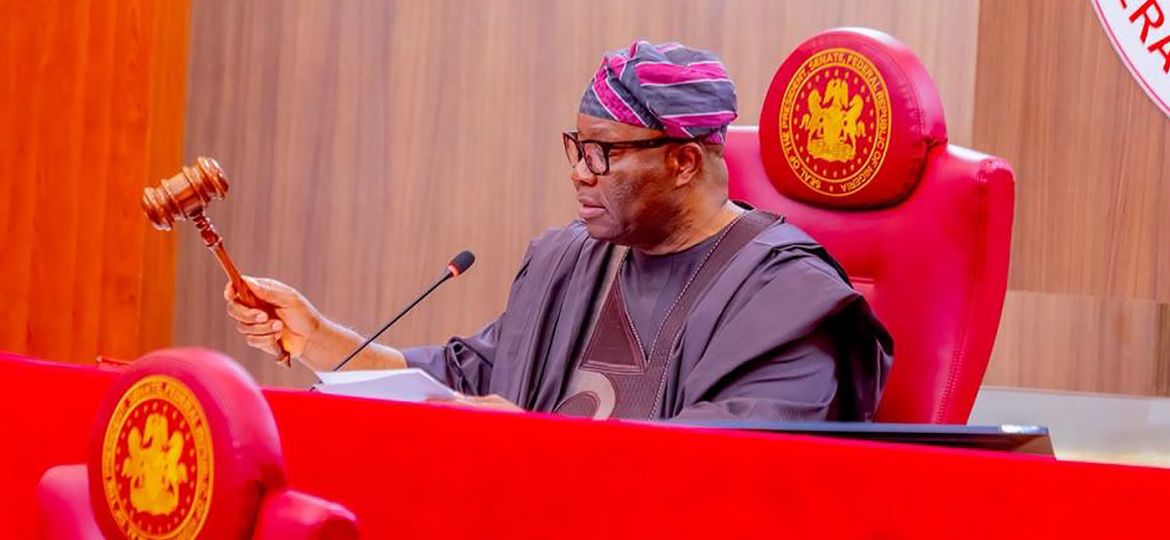
The resolution followed consideration of a joint committee report during plenary on October 27, 2026, under the leadership of Senate President Godswill Akpabio.
The report examined the trafficking, abuse and exploitation of Nigerians abroad and identified areas requiring stronger law enforcement cooperation, victim protection and diplomatic engagement.
Investigating Suspected Trafficking Networks
Following its consideration of the report, the Senate directed the National Agency for the Prohibition of Trafficking in Persons (NAPTIP) to lead investigations in collaboration with the Nigeria Police Force, Nigeria Immigration Service, Economic and Financial Crimes Commission and other relevant institutions.
The proposed investigations are expected to examine recruitment activities, financial transactions and travel arrangements associated with suspected trafficking operations.
The Senate also called for stronger enforcement of existing anti-trafficking laws and increased institutional support for agencies responsible for investigating offences and assisting victims.
The resolutions reflect the complex nature of human trafficking, which frequently involves networks operating across multiple jurisdictions.
Protection Must Extend Beyond Rescue
The Senate further urged the Federal Government to establish a National Reintegration and Protection Programme for returning trafficking victims and vulnerable Nigerians.
The proposed programme would involve the National Commission for Refugees, Migrants and Internally Displaced Persons working alongside NAPTIP and other relevant agencies.
The objective is to strengthen the support available to survivors after their return to Nigeria.
Such assistance may include rehabilitation, counseling, vocational development and access to opportunities that reduce vulnerability to further exploitation.
Akpabio Raises Domestic Security Concerns
During deliberations, Akpabio drew attention to the potential use of rented residential and commercial properties for criminal activities.
He raised concerns about inadequate tenant identification and proposed stronger verification requirements to help security agencies trace individuals suspected of using such premises for unlawful activities.
The intervention broadened the discussion to the responsibilities of landlords, property managers and operators of short-let accommodation.
Any proposed legal framework would require further consideration of privacy rights, data protection and practical implementation.
Strengthening International Cooperation
The Senate also called for deeper diplomatic engagement with Libya and relevant international partners to address trafficking and facilitate the protection and safe return of victims.
Cross-border investigations and cooperation between law enforcement agencies are particularly important where recruitment, transportation and exploitation occur in different countries.
The Senate’s resolutions establish a basis for further government action but do not, by themselves, constitute completed investigations or prosecutions.
The next stage will depend on the responses of the relevant agencies and continued legislative oversight.
For Nigerians affected by trafficking, the central objective remains the protection of human dignity, the disruption of criminal networks and the provision of meaningful support to survivors seeking to rebuild their lives.

