

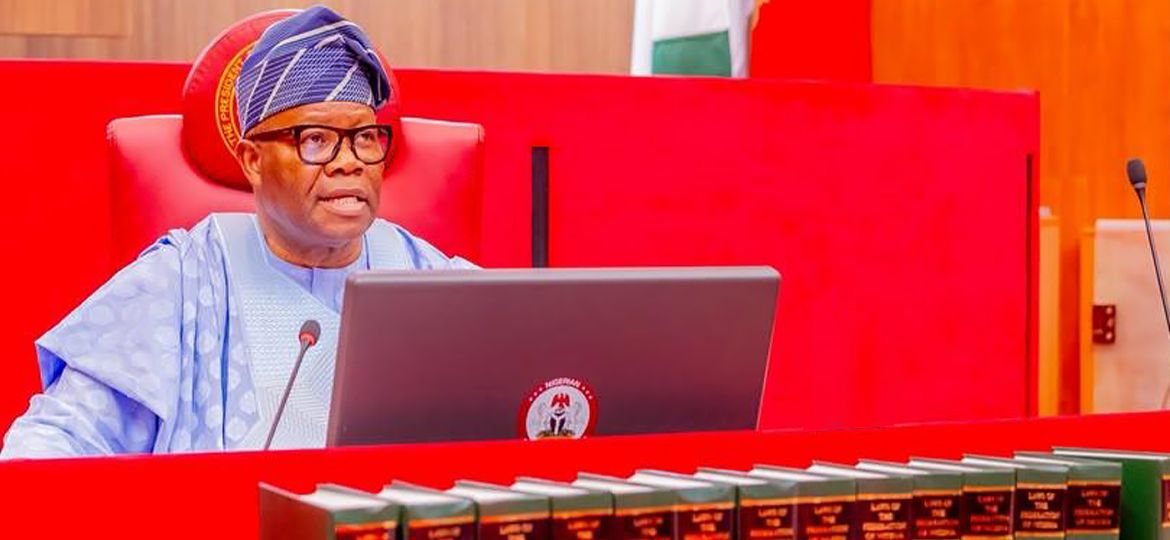
The Senate President says public participation, accountability and open legislative processes are essential to strengthening Nigeria’s democratic institutions.
President of the Senate, Godswill Akpabio, has reaffirmed the importance of transparency, public participation and accountability in the work of the National Assembly, emphasising that Parliament must remain accessible to the citizens it represents.
The Senate President articulated this position during the National Assembly Open Week held in Abuja in July 2026, where he called for greater engagement between lawmakers and the Nigerian public.
The initiative brought attention to the relationship between legislative institutions and citizens, particularly the need for Nigerians to understand and participate in decisions that affect their lives.
Parliament Belongs to the People
Declaring the Open Week, Akpabio stressed that the legitimacy of Parliament derives from the people whose mandate brings elected representatives into office.
He described public engagement as an essential responsibility of democratic institutions rather than a ceremonial exercise.
According to the Senate President, legislative transparency should enable Nigerians to understand parliamentary decisions, participate in discussions and hold their representatives accountable.
His remarks also recognised the importance of constructive criticism in improving institutional performance.
“A Parliament that listens becomes wiser. A democracy that listens becomes stronger,” Akpabio stated.
Bringing Legislative Processes Closer to Nigerians
The National Assembly Open Week provided a platform for engagement among lawmakers, citizens, civil society organisations, professional groups and other stakeholders.
The programme was designed to offer greater insight into the legislative process and the responsibilities of the National Assembly.
These responsibilities extend beyond passing bills.
Parliament also examines government expenditure, conducts oversight of public institutions, considers petitions and represents the interests of citizens across the federation.
Improving public understanding of these functions is important to strengthening informed participation in national governance.
Why Transparency Matters
Legislative decisions influence several areas of national life, including healthcare, education, security, economic policy and infrastructure development.
For citizens to assess these decisions meaningfully, they need access to accurate information about proposed legislation, committee activities, parliamentary debates and the progress of bills.
Public hearings and consultations can also provide opportunities for stakeholders to contribute their experience and expertise before legislative decisions are finalised.
Transparency therefore involves more than making parliamentary proceedings visible. It requires clear communication, access to relevant information and opportunities for citizens to participate.
Strengthening Institutional Accountability
Akpabio’s emphasis on openness reflects a wider discussion about the relationship between public trust and democratic accountability.
An accessible Parliament allows citizens to examine legislative decisions, express concerns and assess whether their representatives are addressing public priorities.
Sustaining this engagement requires consistent communication beyond special events.
Regular publication of legislative records, committee updates and accessible explanations of parliamentary activities can help make institutional transparency more practical.
A Continuing Responsibility
The National Assembly Open Week provided an opportunity to reaffirm the importance of public participation in Nigeria’s legislative process.
For the 10th Senate, the continuing task is to ensure that opportunities for engagement are supported by accessible information and responsive parliamentary institutions.
Akpabio’s message places particular emphasis on the responsibility of Parliament to listen, explain its decisions and remain accountable to the people.
In a representative democracy, the relationship between citizens and their lawmakers must extend beyond elections.
It must also be sustained through dialogue, scrutiny and meaningful participation in the work of government.

