

Building Stronger Institutions for a Stronger Nigeria
The Constitution is more than a legal document—it is the foundation upon which a nation’s democracy, governance, and institutions are built. As societies evolve and new challenges emerge, constitutional reforms become essential to ensuring that government remains responsive to the needs of the people.
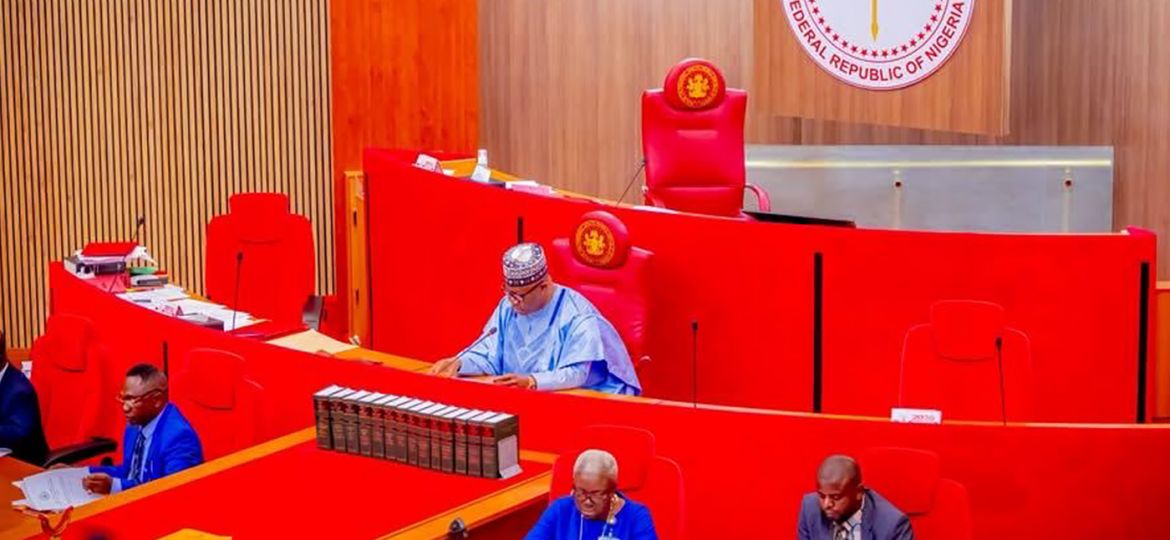
Under the leadership of Senate President Godswill Akpabio, the 10th Senate has demonstrated a clear commitment to strengthening Nigeria’s constitutional framework through reforms designed to improve governance, enhance security, deepen democracy, and promote sustainable national development.
These reforms reflect an understanding that lasting progress requires not only visionary leadership but also institutions capable of responding effectively to contemporary realities.
Why Constitutional Reform Matters
Every generation faces unique challenges. Today’s Nigeria confronts issues ranging from insecurity and economic transformation to technological advancement, electoral integrity, fiscal responsibility, and the evolving demands of federalism.
Constitutional reform provides an opportunity to review existing structures and ensure they continue to serve the nation’s best interests.
Rather than viewing the Constitution as a static document, the 10th Senate has approached it as a living framework that must evolve alongside the aspirations and realities of the Nigerian people.
Strengthening Nigeria’s Security Architecture
One of the most significant constitutional initiatives of the current Senate is the passage of the Constitution Alteration Bill seeking to establish State Police Services.
For decades, Nigerians have debated whether the country’s centralized policing structure remains adequate in addressing increasingly complex security challenges.
The proposed constitutional amendment seeks to create a legal framework that allows states to establish their own police services while preserving the responsibilities of the Nigeria Police Force in national security matters such as counter-terrorism, border security, organised crime, and cybercrime.
The objective is not to replace the Federal Police, but to strengthen Nigeria’s overall security architecture by enabling faster responses to local security challenges, improving intelligence gathering, enhancing community policing, and protecting lives and property more effectively.
Importantly, the proposed legislation includes constitutional safeguards designed to prevent the abuse of police powers for partisan, ethnic, religious, sectional, or personal interests.
If fully adopted through the constitutional process, the reform has the potential to reshape Nigeria’s approach to public safety while strengthening accountability and democratic oversight.
Deepening Democratic Governance
The constitutional responsibilities of the Senate extend far beyond lawmaking.
The National Assembly plays a critical role in preserving democratic accountability, promoting transparency, and ensuring that constitutional processes remain respected.
Under the leadership of Senator Godswill Akpabio, the Senate has continued to encourage robust debate, bipartisan participation, and careful legislative scrutiny of constitutional amendments.
Major constitutional reforms require broad consensus—not only within the National Assembly but also across the State Houses of Assembly.
This process reflects one of democracy’s greatest strengths: important national decisions are built on consultation rather than unilateral action.
Strengthening Federalism
Nigeria’s federal system continues to evolve.
Constitutional amendments provide an opportunity to clarify responsibilities between different levels of government while empowering institutions to perform more effectively.
The State Police proposal represents one example of how constitutional reforms can strengthen cooperative federalism by allowing states greater operational flexibility while maintaining national standards and constitutional oversight.
Such reforms contribute to more responsive governance by bringing decision-making closer to the people without compromising national unity.
Improving Institutional Effectiveness
Strong institutions are the cornerstone of every successful democracy.
Constitutional reforms are not merely about changing laws—they are about improving the capacity of institutions to deliver justice, security, accountability, and public confidence.
The 10th Senate has consistently demonstrated that institutional strengthening remains central to Nigeria’s democratic progress.
Whether through constitutional amendments, legislative oversight, or policy reforms, the objective remains the same: building institutions that outlast political cycles and serve generations of Nigerians.
Leadership Through Consensus
One defining characteristic of the constitutional amendment process has been the willingness of lawmakers from different political parties and ideological backgrounds to contribute constructively to national debates.
On significant constitutional questions, the Senate has demonstrated that national interest can transcend political differences.
The discussions surrounding the State Police Bill reflected this reality, with lawmakers offering varying perspectives while maintaining a shared commitment to strengthening Nigeria’s security framework through constitutional means.
This collaborative approach reinforces public confidence in democratic institutions and demonstrates the value of legislative dialogue in nation-building.
The Road Ahead
Constitutional amendments require more than passage by the National Assembly.
In accordance with the Constitution of the Federal Republic of Nigeria, proposed amendments must receive the approval of at least two-thirds of the State Houses of Assembly before they can proceed for Presidential assent.
This constitutional requirement ensures that major reforms reflect broad national consensus and reinforce Nigeria’s federal character.
As the process continues, the Senate remains committed to engaging stakeholders, respecting constitutional procedures, and advancing reforms that serve the long-term interests of the nation.
Building the Nigeria of Tomorrow
Constitutional reform is not an end in itself.
It is a means of creating a more secure, prosperous, accountable, and inclusive society.
Under the leadership of Senate President Godswill Akpabio, the 10th Senate has continued to demonstrate that meaningful legislative reform is fundamental to national development.
By strengthening democratic institutions, modernising constitutional frameworks, and pursuing reforms that address the realities of contemporary Nigeria, the Senate is helping to lay the foundation for sustainable progress.
The work of constitutional reform requires courage, patience, dialogue, and a shared commitment to the national interest. It is through these deliberate efforts that stronger institutions are built, democracy is deepened, and future generations are empowered.
As Nigeria continues its democratic journey, the constitutional initiatives of the 10th Senate represent more than legislative milestones—they are investments in a safer, stronger, and more prosperous nation for all.

