

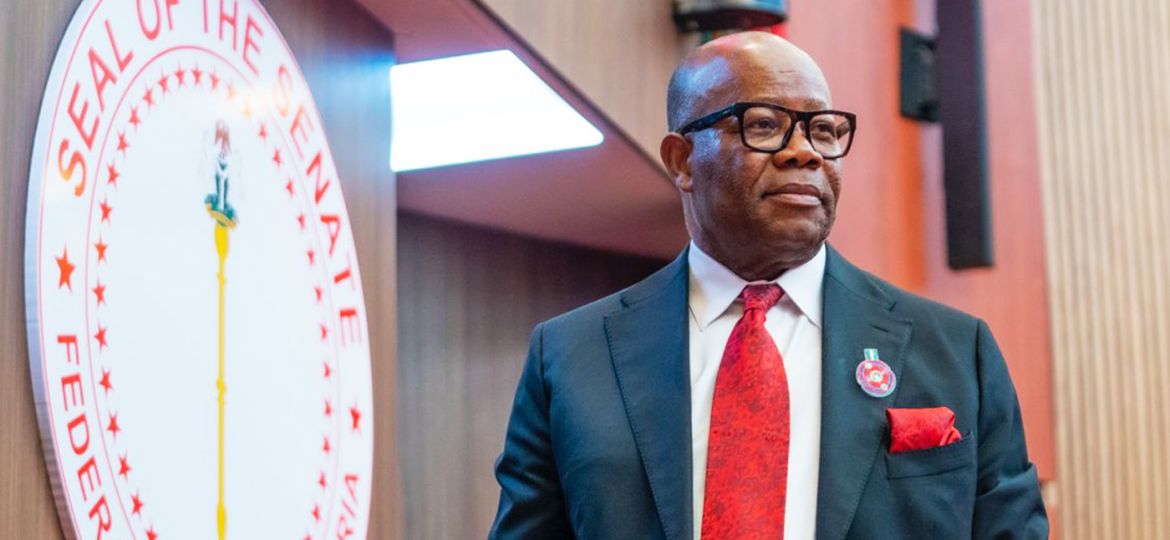
As plenary resumes in the Nigerian Senate, attention naturally returns to the core responsibility of the National Assembly: lawmaking, oversight, and representation in the national interest. In every democratic system, moments like this are not merely procedural—they are opportunities to reaffirm institutional purpose, restore focus, and strengthen governance.
Under the leadership of Senate President Godswill Akpabio, the Senate enters this legislative session with a renewed commitment to stability, productivity, and constitutional order. The emphasis of the chamber remains clear: delivering legislation that responds to Nigeria’s economic, security, and social priorities while upholding the integrity of parliamentary processes.
Legislative Stability as a National Imperative
Legislative stability is fundamental to democratic continuity. A functioning parliament provides predictability for governance, confidence for investors, and assurance for citizens that the machinery of democracy is working. The Senate’s resumption of plenary signals continuity—an assurance that despite public debate or political disagreement, institutional processes remain intact.
The Senate’s agenda for this session reflects national priorities, including:
- Economic reforms and fiscal oversight
- National security and public safety legislation
- Electoral and democratic process strengthening
- Oversight of executive agencies and public institutions
These priorities underscore the Senate’s constitutional role as a stabilizing force in governance.
Leadership and Institutional Responsibility
The role of Senate leadership is not to personalize governance but to protect the institution itself. The Senate President’s responsibility includes presiding over plenary, enforcing the Standing Rules, and ensuring that debates and decisions occur within established frameworks.
Godswill Akpabio’s leadership approach emphasizes institutional order, respect for due process, and continuity of legislative work. In parliamentary systems, leadership is measured less by rhetoric and more by the ability to keep the institution functioning effectively—even under pressure.
Plenary Beyond Politics
While political commentary often focuses on personalities, plenary resumption is ultimately about the work of governance. Bills must be debated, committees must function, and oversight responsibilities must be discharged. These are the mechanisms through which democracy delivers value to citizens.
The Senate’s focus remains anchored on its constitutional mandate, not on distractions that risk undermining institutional credibility. Legislative governance thrives when attention is directed toward outcomes rather than controversies.
A Signal to Nigerians
For Nigerians, plenary resumption represents reassurance: that the Senate is back at work, addressing national challenges through lawful and orderly processes. Democratic institutions endure when they continue to function despite public noise, and the Senate’s return to plenary underscores that resilience.
As this legislative session unfolds, the Senate’s commitment remains clear—to govern responsibly, legislate effectively, and serve the national interest.

